
Why Old-School Radio Still Has a Loyal Listener Base in a Streaming World
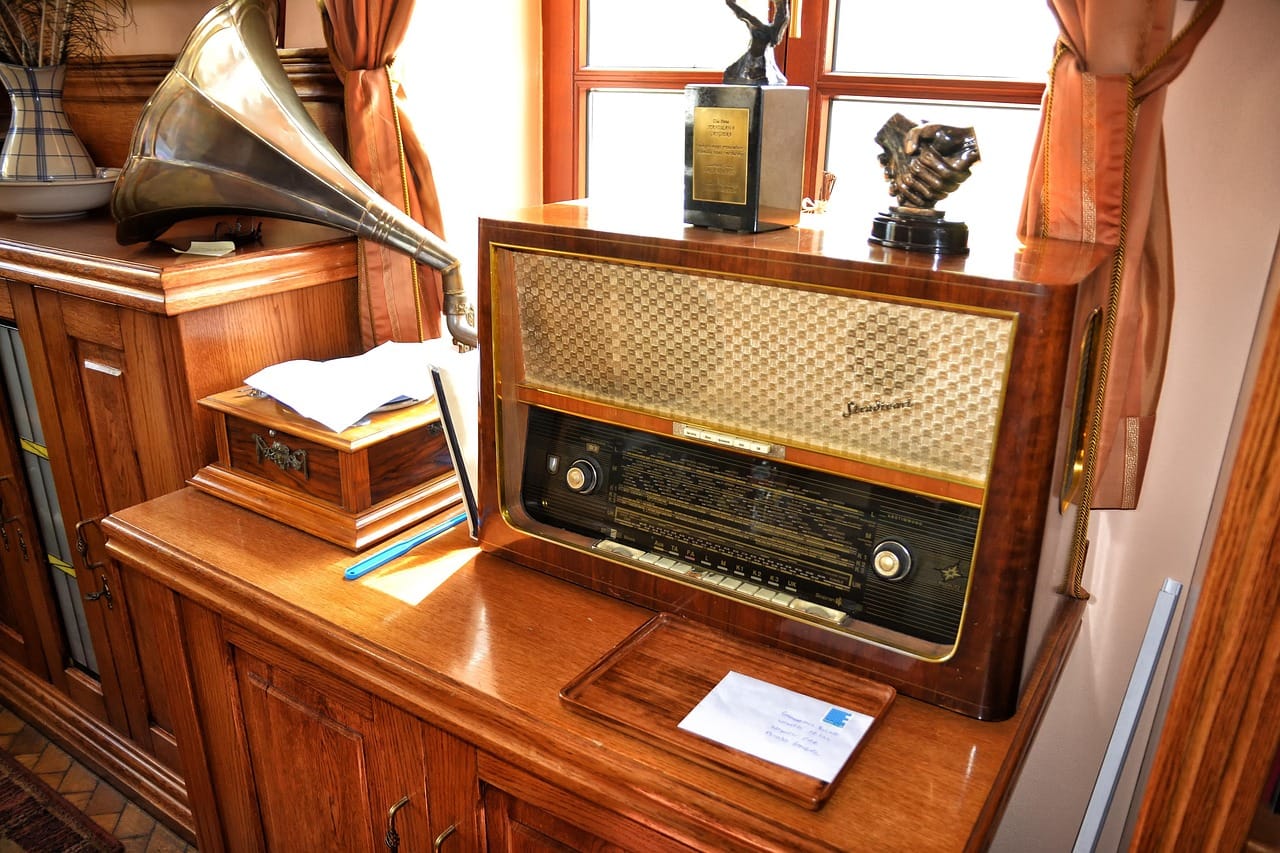
Despite an avalanche of digital music platforms and on-demand content, old-school radio continues to maintain a surprisingly faithful audience. While streaming services dominate headlines with their curated playlists and algorithmic recommendations, traditional AM/FM stations still quietly hum in cars, kitchens, and job sites across the globe. Much like curiosity about john d loudermilk net worth leads fans to dig deeper into music history, the persistent relevance of terrestrial radio speaks volumes about culture, convenience, and emotional connection.
So, what exactly keeps traditional radio from vanishing into static in this ultra-digital era? Below, we explore key reasons why it continues to thrive despite an ocean of sleek alternatives.
Familiarity Breeds Loyalty
 One of the enduring appeals of radio is its long-standing presence in people’s lives. Listeners grow up with certain stations, voices, and programs that become part of their daily routines. Whether it’s the morning traffic update or that midday rock block, radio is woven into habits that don’t easily get disrupted by flashy apps. In contrast to endlessly scrolling through streaming options, radio offers predictability.
You switch it on, and the content is already rolling. That hands-off experience, oddly comforting and almost automatic, appeals to listeners who prefer simplicity over endless choice.
Human Connection Over Algorithms
While Spotify and Apple Music rely on coded systems to feed music preferences, radio is still largely curated by real human beings. DJs and presenters provide live commentary, quirky banter, and local references that algorithms simply cannot emulate with the same sense of immediacy or spontaneity. This human element fosters a stronger emotional link between the broadcaster and the audience. Whether it’s shout-outs, dedications, or community stories, listeners feel acknowledged, not just analyzed. This connection builds a sense of belonging—and in a screen-saturated world, that’s no small matter.
Accessibility and Convenience
Old-school radio is remarkably accessible. No subscription needed, no account sign-up, no Wi-Fi or data drain. Just flip the dial or hit the “on” button, and you’re connected. It still works in rural areas where digital infrastructure lags, and it’s available in nearly every vehicle, often as the default audio source. While streaming requires active input and a reliable internet connection, radio’s passive convenience makes it an ideal companion in everyday scenarios—cooking, driving, or doing chores. You don’t need to make decisions; the radio makes them for you.
Local Content and Real-Time Updates
A critical feature that radio still excels at is offering local content. Whether it’s school closings, weather alerts, traffic reports, or neighbourhood events, radio delivers timely information that national streaming platforms can’t match. Moreover, in moments of crisis—think natural disasters, power outages, or community emergencies—radio often becomes the go-to source. The immediacy and locality of the information it provides remain irreplaceable in such instances. No buffering, no log-ins—just the facts, straight and clear.

Nostalgia and Cultural Attachment
Finally, there’s the intangible but powerful pull of nostalgia. For many, radio brings back memories of childhood car rides, Saturday morning countdowns, or late-night call-in shows. It’s a medium steeped in cultural memory, and that sentimentality adds to its lasting charm. Radio’s soundscape—with its fuzzy transitions and signature jingles—evokes a time when entertainment didn’t demand total attention. That subtle ambient presence still appeals to many, especially those who prefer background companionship over active listening.
Conclusion
Streaming platforms may offer sleek interfaces and bottomless libraries, but old-school radio continues to carve out a space that’s deeply personal, culturally rooted, and instantly accessible. Its survival isn’t just about technology—it’s about trust, habit, and the human voice on the other end of the line. As long as people crave connection, simplicity, and a break from the digital maze, traditional radio will continue to find ears to fill.